A living book of knowledge
Africa is more than a continent.
It is the birthplace of humanity.
A living story of people, cultures, knowledge and legacy that continues to shape our world and our understanding of humans.
Across thousands of years, African civilizations, kingdoms, languages, cultures, ideas and people have shaped the continent and influenced the world.
Discover Africa. Learn. Play. Grow.
Know the past. Understand the present. Imagine the future.
Play Africa
9 games. 10 levels each.
Learn the map, the flags, the wildlife, the landmarks, the great kingdoms and African languages by playing — from a gentle first level to continent-wide, timed challenges.
Africa Explorer
Flag Challenge
Africa Memory
Where in Africa?
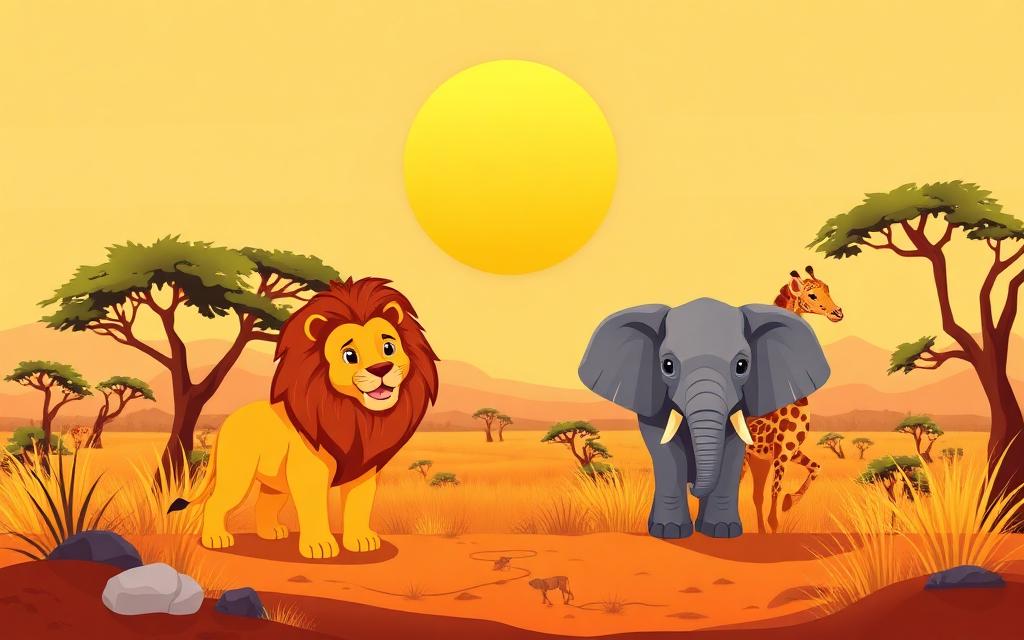
Wildlife Safari
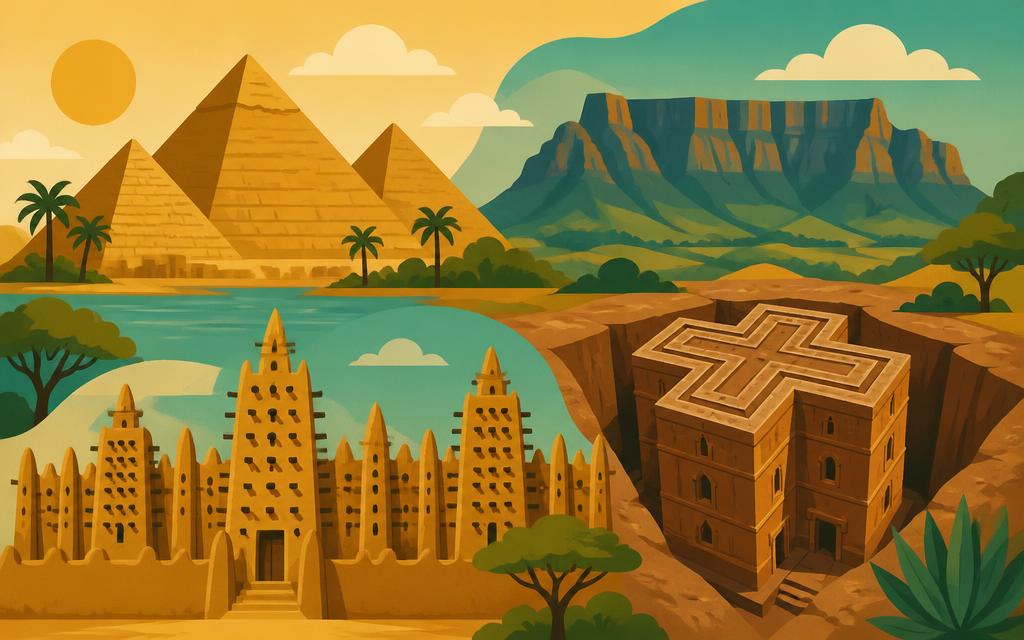
Landmark Hunter
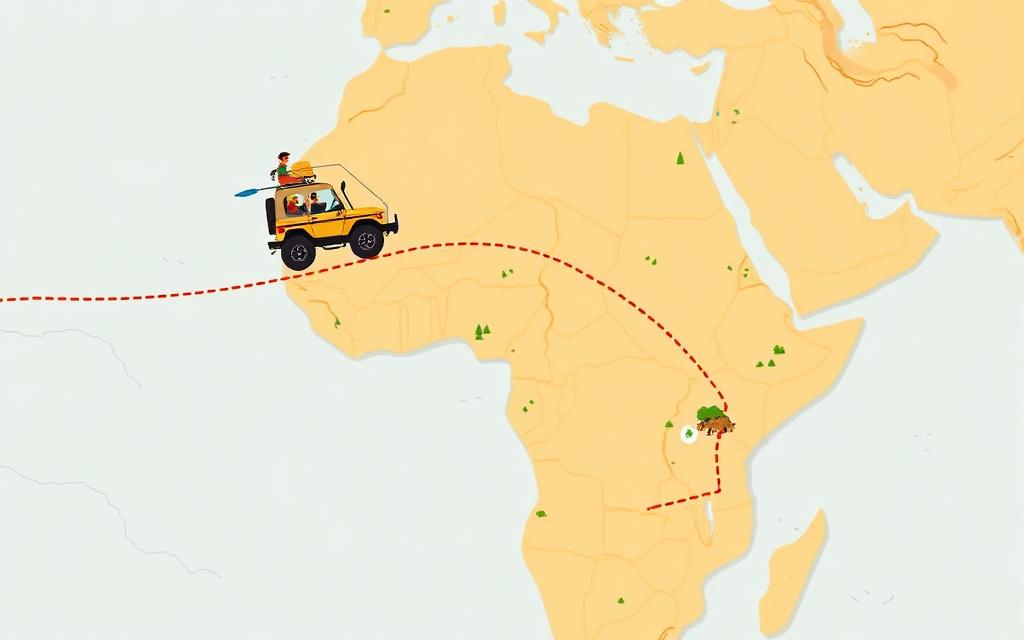
Africa Adventure
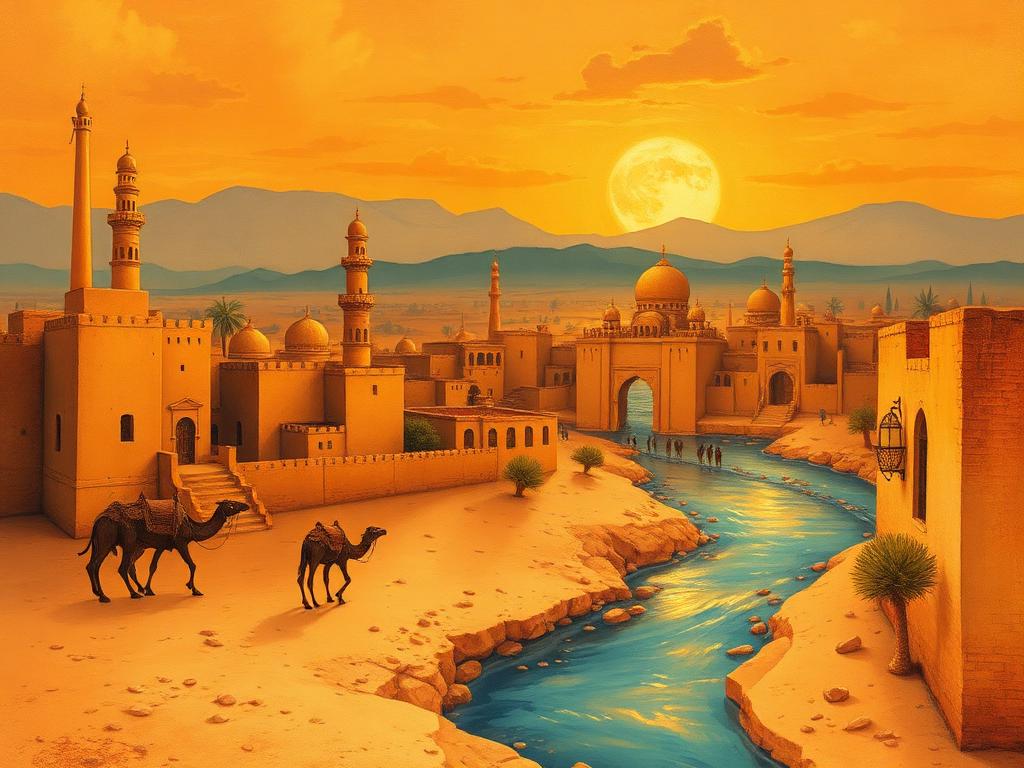
Kingdom Builder
Language Quest
- 100
- sourced entries
- 10
- books
- 100
- challenge questions
- 4
- evidence ratings
Our standard
Proudly African. Rigorously honest.
This is not a platform that tells you Africa was perfect and then something was done to it. It carries the achievements — Meroë's furnaces, Timbuktu's libraries, Adwa, Kilwa, M-Pesa — alongside the slave trades, internal conflicts, colonial ruin, coups and failures of governance.
Every major claim is labelled with how strongly it is supported, so you always know the difference between settled scholarship, live debate and inherited memory.
Today in Africa
Mansa Musa
The pilgrimage that put Mali on Europe's maps.
Mansa Musa ruled the Mali Empire at its territorial and commercial height, and his pilgrimage to Mecca in 1324 was the single most consequential act of African public diplomacy of the medieval period. The gold he distributed disrupted Cairo's markets for years; the scholars, architects and books he returned with reshaped Timbuktu; and within fifty years European cartographers were drawing him on their maps, enthroned with a nugget of gold in his hand.
Word of the day
Fitina
Kiswahili
Discord, mischief-making
Where to begin
Six ways in
Read, explore, ask, practise, remember and compete — each path leads back to the same sourced library.
The Books
Ten interconnected books, from human origins to Agenda 2063 — every claim carrying an evidence rating.
EnterThe African Map
Kingdoms, cities, languages and archaeological sites plotted across the continent, layer by layer.
EnterAfrica AI
A tutor grounded in this library. It cites the entries it uses and says when the evidence is contested.
EnterDaily Africa
One person, one place, one event, one idea, one word — and a sixty-second challenge, every day.
EnterMy Heritage
Build a heritage profile from what your family actually knows, and follow it into the record.
EnterKnowledge League
Earn XP, keep a streak, collect passport stamps and see how your country ranks across the continent.
EnterPlay Africa
Learn it by playing it
9 games with 10 levels each — the map, the flags, the wildlife, the landmarks, the great kingdoms and African languages, from a gentle first level to timed, continent-wide challenges.
Africa Explorer
10 levelsTravel the map, find the place, discover Africa.
PlayFlag Challenge
10 levelsMatch every flag to its country.
PlayAfrica Memory
10 levelsTurn the cards and find the pairs.
PlayWhere in Africa?
10 levelsFind any country on the continent.
PlayWildlife Safari
10 levelsTrack animals to the lands they live in.
PlayLandmark Hunter
10 levelsRace the clock to place famous places.
PlayAfrica Adventure
10 levelsA six-leg expedition across the whole continent.
PlayKingdom Builder
10 levelsGrow a historic African kingdom, answer by answer.
PlayLanguage Quest
10 levelsGreet your way across the continent in its own languages.
PlayThe whole games area
Level ladders, stars, discoveries and the global leaderboard.
EnterThe library
The ten books
From the first human footsteps to the Africa of 2063 — one continuous account, told in ten parts.
The Beginning
Where humanity starts
BOOK IIAncient Africa
Nile, desert, forest, coast
BOOK IIIKingdoms & Empires
How Africa governed itself
BOOK IVAfrican People
The lives behind the events
BOOK VThe Women Who Built Africa
Not a footnote
BOOK VIAfrican Culture
What people actually live
BOOK VIIAfrican Languages
Two thousand ways of saying it
BOOK VIIIThe Global African
Africa did not stop at the coast
BOOK IXConquest & Resistance
The evidence, not the slogan
BOOK XModern Africa & 2050
From history to decisions
Featured entries
Start anywhere
Four entries that show what the rest of the library looks like — narrative first, evidence always visible.
The Mali Empire
Gold, law and scholarship across the western Sudan.
Founded by Sundiata Keita after the battle of Kirina, Mali grew into one of the largest states of the medieval world — governed through provinces, garrisons and an oral constitution, financed by more gold than anywhere else on earth, and remembered as much through griot recitation as through the Arabic chronicles.
West AfricaGreat Zimbabwe
Dry-stone walls eleven metres high, built without mortar.
The capital of a Shona state that controlled gold and cattle wealth and traded with the Swahili coast, Persia and China. Its stonework is the largest ancient structure in sub-Saharan Africa, its soapstone birds are on the national flag, and the colonial campaign to deny that Africans built it is one of the ugliest episodes in the history of archaeology.
Southern AfricaAfrican Genetic Diversity
What DNA can tell you — and what it cannot.
Africa holds more human genetic variation than the rest of the world combined. That fact carries enormous weight for medicine and for understanding our species' past — and far less weight for questions of identity than ancestry marketing implies. It also sits at the centre of an argument about who owns African biological data.
ContinentalAfrica 2050
A quarter of humanity, and the youngest population on Earth.
By 2050 roughly one in four people alive will be African, and the median age will still be under twenty-five. The African Union's Agenda 2063 is the continent's own answer to that arithmetic — a staged plan running through 2033 and 2063 for jobs, power, food, trade and mobility. Whether 2050 is a dividend or a crisis depends on decisions being taken now.
ContinentalFOR SCHOOLS AND EDUCATORS
One plan for the whole school
Teachers create classes, share a join code, and see which games the class plays, which topics they find hardest and what they read most — with assignments and spreadsheet exports. The Educator plan covers the entire school: unlimited classes of up to 35 students, £9.99 a month or £114.99 a year. Every account can run one free class of five students first.